Introduction
In today's hectic globe, the importance of being planned for emergency situations can not be overstated. Whether you are a parent, educator, or a professional in the health care market, getting the abilities to assist in clinical emergency situations is essential. This is where first help courses entered into play, especially those that concentrate on CPR (Cardiopulmonary Resuscitation) strategies. While specific training provides its very own merits, team training in emergency treatment and CPR courses supplies a special set of advantages that improve understanding and retention.
This short article checks out The Conveniences of Group Training in Emergency Treatment and CPR Courses, highlighting why this technique can be more reliable than solo knowing. From hands-on practice to collective learning environments, we will explore different elements of team training and how it can improve your experience while obtaining your first aid certificate
What Is Team Training in Emergency Treatment and CPR?
Group training describes instructional sessions carried out with several individuals that discover together under the assistance of a qualified instructor. In the context of first aid and CPR courses, this style permits participants to engage with each other while understanding necessary lifesaving skills.
How Does Group Educating Work?
In group sessions, participants typically go through a mix of theoretical understanding and sensible workouts. The instructor covers key ideas such as:
- Basics of initial aid Techniques for doing CPR Use of automated outside defibrillators (AEDs) Protocols for responding to emergencies
Participants engage with role-playing circumstances, simulations, and hands-on method. This interactive environment promotes better understanding and retention.
Types of Group Training Available
Group training can take many kinds:
- Workplace Training: Business often organize emergency treatment courses for their employees. Community Workshops: Local organizations frequently hold neighborhood classes. Educational Establishments: Institutions may consist of emergency treatment training as part of their curriculum.
Each setting has its distinct advantages that cater to certain needs.
The Benefits of Team Training in First Aid and CPR Courses
1. Boosted Understanding Opportunities
Group settings naturally promote discussions that improve knowing. Participants can share experiences or ask questions they could hesitate to voice in individual sessions.
Why is Peer Communication Important?
Peer interaction encourages diverse viewpoints on handling emergencies. For example, when reviewing numerous sorts of injuries or clinical crises, various individuals may have experienced special situations that provide important insights.
2. Realistic Technique Scenarios
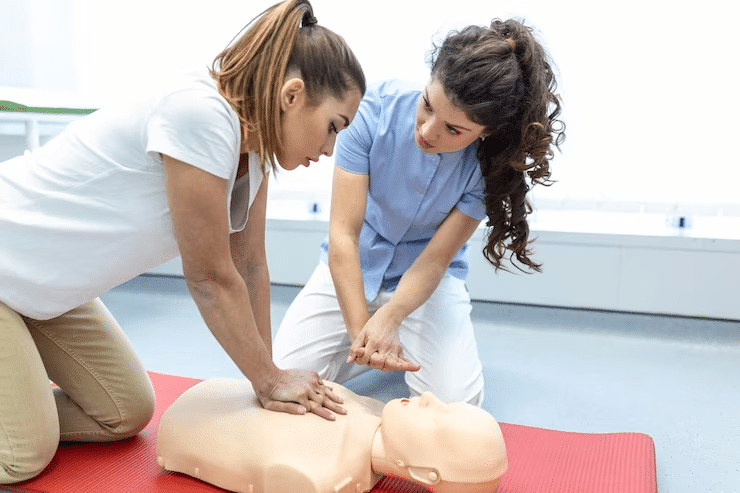
One major advantage of team training is the possibility for reasonable method circumstances. Participants can exercise on each other utilizing manikins or role-play emergency situations.
How Does This Improve Skills?
Practicing in real-time helps strengthen techniques like breast compressions or rescue breaths with muscle mass memory. The even more comfortable individuals really feel carrying out these activities, the better prepared they will be during an actual emergency.
3. Structure Self-confidence Through Collaboration
When people educate with each other, they cultivate a sense of sociability that can construct self-confidence levels significantly.
What is the Connection Between Synergy and Confidence?
Working as component of a team allows learners to support each other psychologically. If someone fights with a particular skill-- like using bandages-- others can action in to offer assistance or encouragement.
Psychological Advantages of Group Training
4. Reduced Stress And Anxiety Levels
Anxiety about carrying out emergency treatment or CPR appropriately can prevent efficiency during real-life situations.
How Can Team Setups Minimize This Fear?
In an encouraging group atmosphere, individuals are less most likely to feel separated with their fears; shared experiences commonly stabilize feelings of anxiety. Furthermore, practicing along with peers allows them to witness others making mistakes without judgment.
5. Motivation Through Shared Goals
Group characteristics commonly cultivate motivation from shared goals.
What Drives this Motivation?
When everyone intends towards earning their first aid certificates with each other, individuals are urged to push themselves additionally than they could alone. This collective aspiration fuels commitment among peers.
Cost-Effectiveness of Team Educating Sessions
6. Inexpensive Solutions for Organizations
For organizations looking to train workers in emergency treatment and mouth-to-mouth resuscitation strategies, group sessions frequently verify much more affordable than individually instruction.

Why is Bulk Prices Beneficial?
Many training companies offer discounts for larger groups going to the very same program simultaneously-- making it economically practical for firms focusing on extensive safety measures without damaging the bank.
Social Advantages: Networking Opportunities
7. Creating Links Among Participants
Training together develops partnerships past just learning lifesaving abilities; it additionally promotes networking opportunities among area members or colleagues alike.
How Can These Links Be Valuable?
Networking within a team develops methods for partnership in the future-- whether it's establishing work environment safety methods or creating regional emergency situation action groups after completing their emergency treatment courses.

Accessing Different Discovering Styles
8. Catering to Different Knowing Preferences
People find out in a different way; some take in info finest through aesthetic aids while others benefit from hands-on techniques or acoustic instructions from instructors.
Can Group Setups Tailor Understanding Experiences?
In group settings led by skilled trainers equipped with diverse mentor techniques-- consisting of videos showing mouth-to-mouth resuscitation techniques-- participants have several sources readily available at once catering particularly toward their liked styles!
FAQs about Group Training in Emergency Treatment and Mouth-to-mouth Resuscitation Courses
1. What qualifications must my trainer have?
Your fitness instructor should possess pertinent qualifications from acknowledged organizations such as the American Heart Organization (AHA) or Red Cross in addition to significant mentor experience!
2. Is there an age need for participating?
Most programs approve participants aged 12 years of ages and above; nevertheless, it's advisable constantly examine beforehand since different companies might have details restrictions based on age groups!
3. The length of time does it normally take to finish these courses?
Depending upon the type picked-- a fundamental training course could last around 4-- 6 hours while innovative ones might expand up-to 2 days!
4. Will I get an accreditation upon completion?
Absolutely! The majority of reliable institutions provide certifications confirming completion when you have actually efficiently passed any needed assessments analyzed by your trainer!
5. Can I get involved if I have no previous experience?
Yes! Many individuals enroll with no history expertise because trainers damage down ideas right into workable components catered in the direction of beginners!
6. Exist refresher courses offered after obtaining certified?
Definitely! The majority of organizations prompt people re-certify every two years since standards develop on a regular basis guaranteeing you remain updated with present practices!
Conclusion
The benefits stemmed from participating in team training for emergency treatment and CPR programs are immense-- from improved understanding possibilities through peer communications Hobart area first aid course to emotional support promoting self-confidence among learners alike! Not only does this joint technique make getting critical lifesaving skills pleasurable but likewise ensures all entailed leave sensation well-prepared should real-life emergencies emerge down-the-line!
If you're pondering whether group-based education and learning matches your demands best when seeking a detailed understanding relating to managing urgent treatment situations properly then look no more-- the evidence speaks quantities! So prepare today by enlisting on your own right into one such program near you; end up being an empowered private qualified adequate not just conserve lives yet also influence others around you too!